Online Exhibits
Crossing the Old Wisconse
(and other rivers in Marathon County)
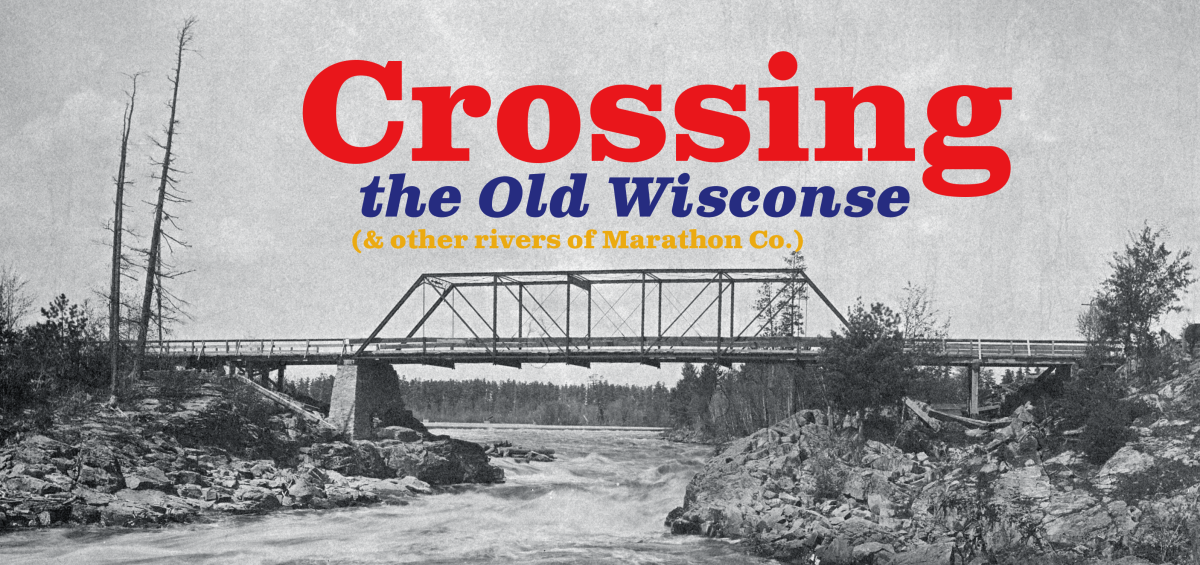
Among the pioneers of the Great Pinery who had spent their lives living, traveling, and working on the river; an affectionate and familiar name for the Wisconsin River was common, "The Wisconse." These folks had come to know first-hand, both the natural beauty and the great power of the Wisconsin River. But by the end of the 1800s, the Wisconsin River and it's tributaries were going through considerable changes, and the old timers of Central Wisconsin felt a need to clarify the passing of the river they once knew as seperate from the River as it was becoming, and so began to adopt with reverence and wistful nostalgia, the name the "Old Wisconse."
The Window Capital of the World: Marathon County’s Window Companies
Funding for this exhibit was provided by the E.F. Jablonski Family Foundation.
Funding for this exhibit was provided by the Wisconsin Public Service Foundation.
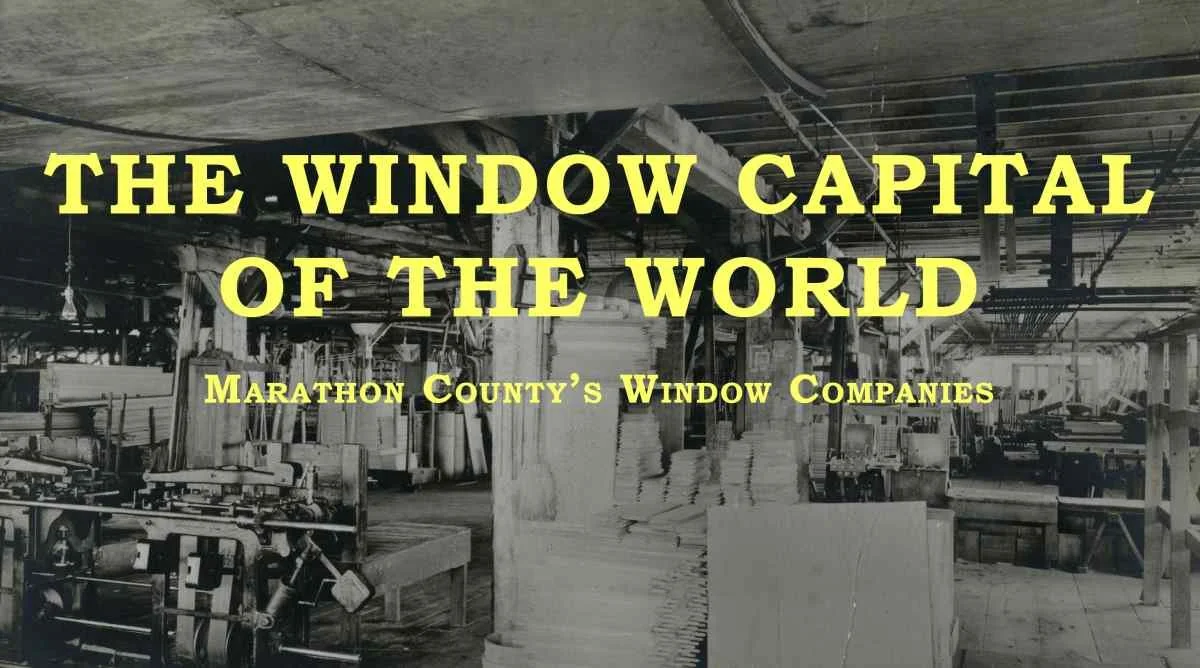
Over the last century and a half, Marathon County has been home to many companies involved in the window industry. From mills creating early wood window sashes in the 1880s, to the complex window wall-systems designed and produced today, these companies have pushed the window industry in new directions. They have employed generations of workers, and helped to enrich the lives of their community. They both helped to spur the development of manufacturing in Marathon County, and individually have been impactful in the wider window industry.
This exhibit explores more than two dozen companies from Marathon County that manufactured windows, things for windows, or helped in the manufacture of windows. Individually they provide unique stories that parallel the development of the wider region, and collectively they give basis to the claim to being "the Window Capital of the World."
Rural Electrification: Outlet for Change
By the 1920s most city and town residents had access to electricity in their homes, businesses and schools. Indoor lights, home appliances, industrial machines and indoor plumbing were all run by electric power. Electricity made many jobs easier.
But electrical power lines did not often extend beyond city boundaries and electricity was available to few rural residents - about 25% in 1930. As a consequence, rural life had changed very little since the late 1800s and heavy manual labor was a necessity for men, women and children at home and on the farm.
This exhibit tells the story of how electricity eventually reached rural residents, both in central Wisconsin and in the rest of the United States, and how it changed their lives.
Pieces of the Past: Quilts Tell A Story
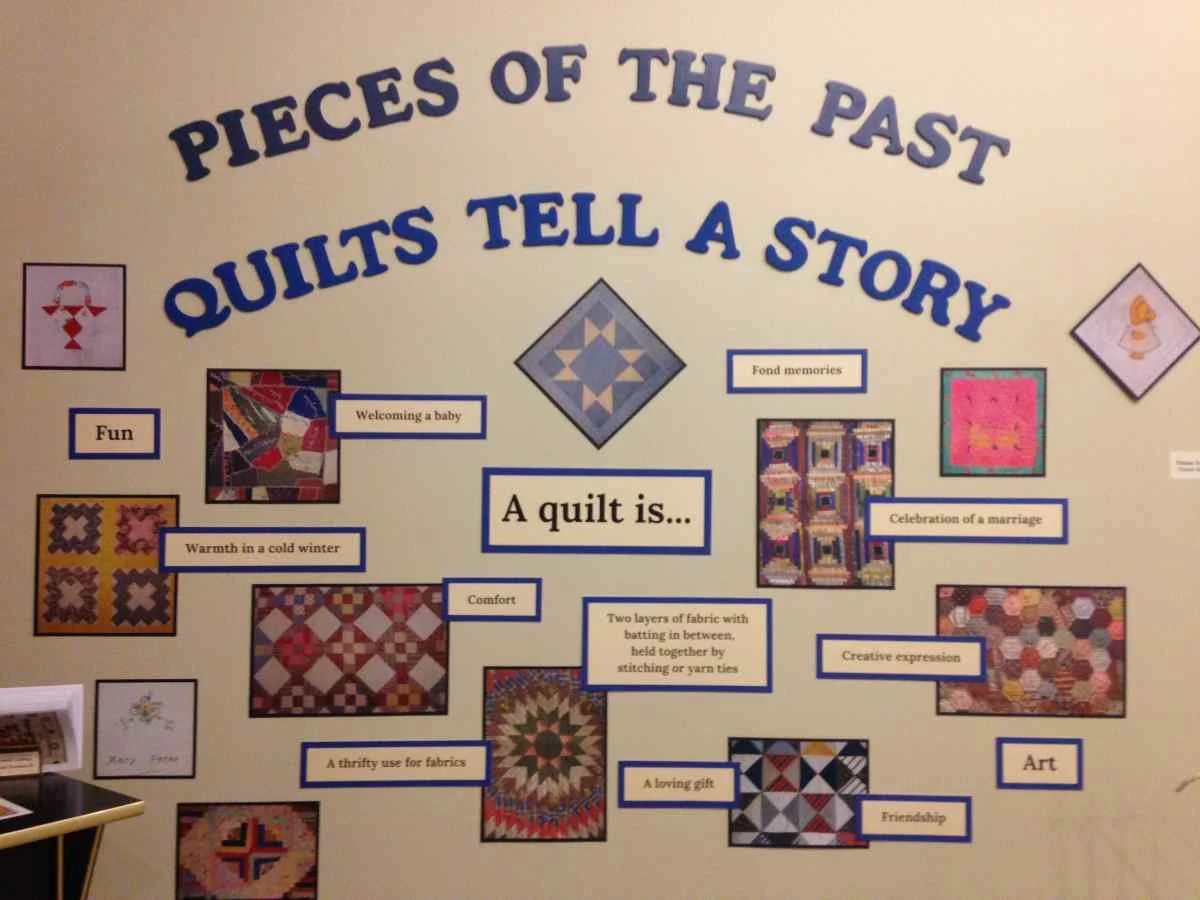
What is a quilt? By definition, it’s a “sandwich” made from two layers of fabric and some kind of filling, held together by yarn or thread stitching. Traditionally, quilts were made as bedcoverings to keep people warm. But quilts are so much more! They are gifts of love, works of art, and sometimes political statements. They express friendship, family ties, compassion for others, fond memories, and creativity. Although some men make quilts, women are more likely to practice the craft and to pass their expertise to the younger women in their lives.
The quilts in this exhibit all have ties to Marathon County. Explore to learn more about their creators and the stories behind the quilts.