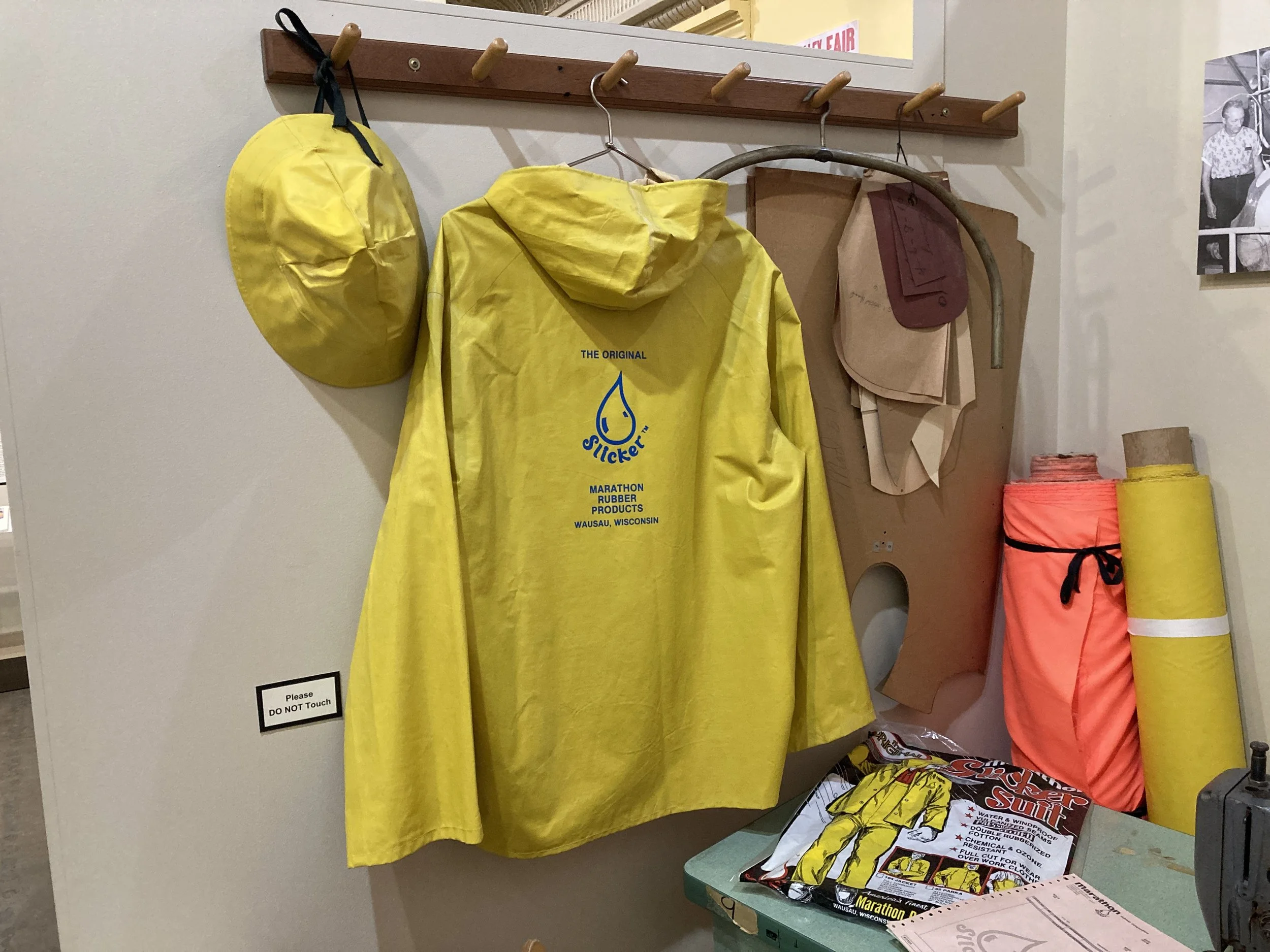
A Rubber Slicker, 1990s
The rubber slickers made in Wausau by Marathon Rubber are some of the most iconic pieces of clothing of it’s time.
The Rubber Coat
Marathon Rubber was established at a time where new methods of using rubber were becoming popular. The use of new techniques, let to the ability to take raw rubber and create durable and waterproof clothing. By fusing the rubber to linings made of textiles (mostly cotton), it provided a comfortable and flexible coat.
Most of the coats made by Marathon Rubber were produced for contracts with municipal and government workers. The rain slickers were perfect for police and fire departments who might need to spend lengths of time in poor weather.
In the 1920s-1930s, Marathon Rubber also produced coats with rubber layers on the inside the cloth material to provide waterproof linings for more fashionably-textured coats. This added a rubber layer under a more normal-looking coat, rather than using a cloth layer as the lining for the rubber outside.
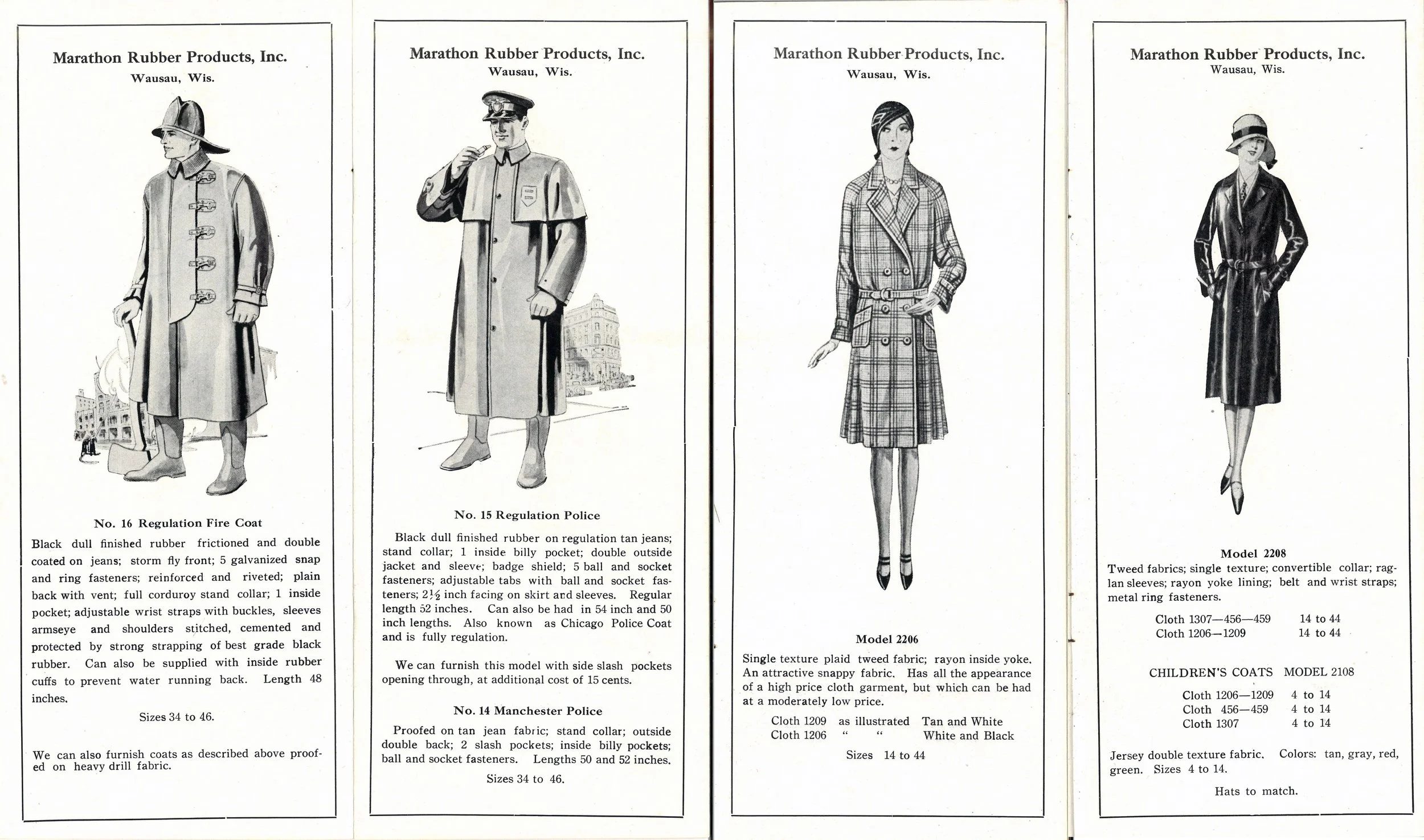
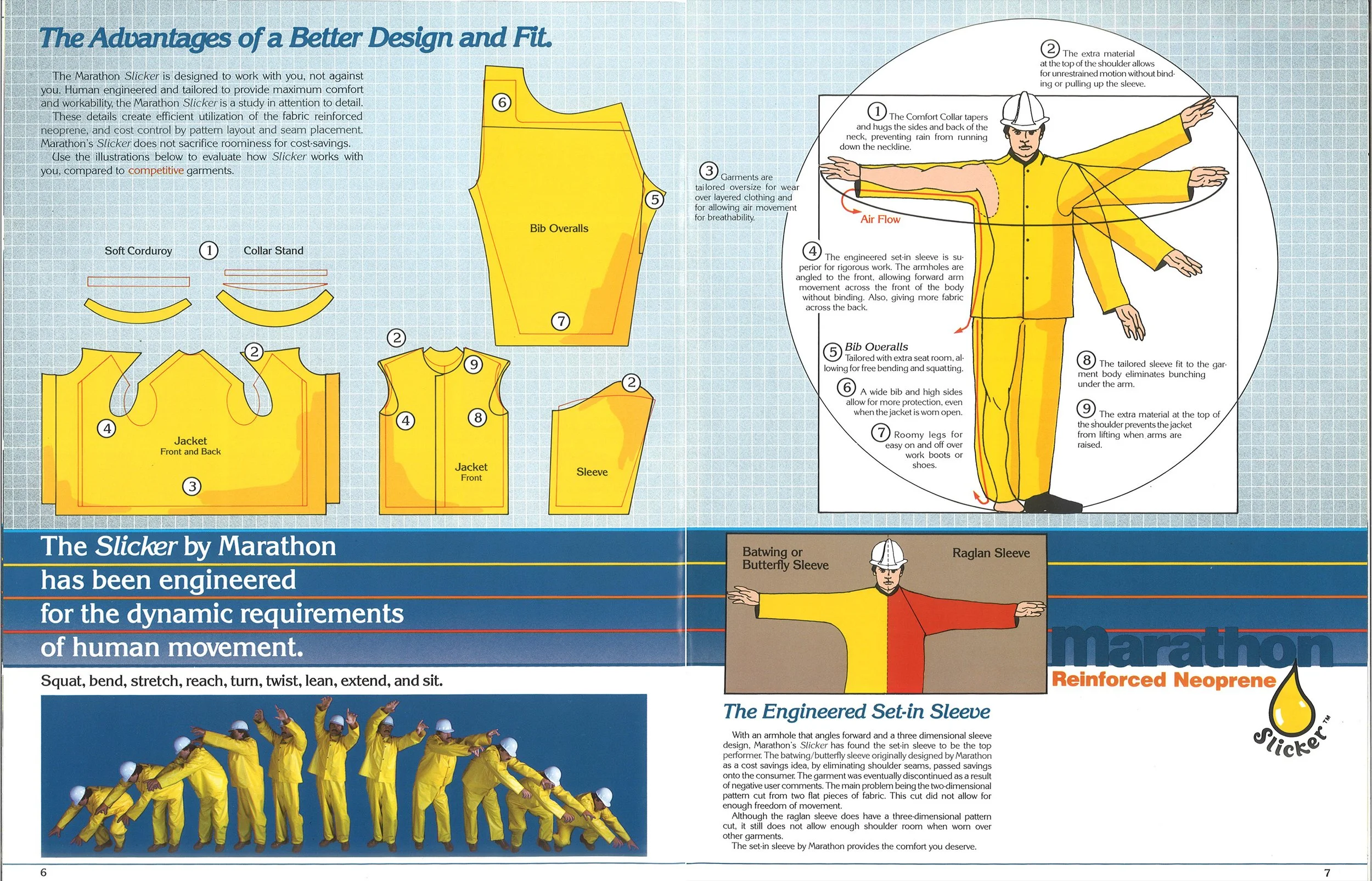
But ultimately the most successful product produced by Marathon Rubber over its entire life, was the rubber slicker. The black rubber slickers of the 1920s would eventually lead to more vibrant colors like blaze orange and especially bright yellow.
Marathon Rubber: the Company
Marathon Rubber was established in Wausau in 1921, out of the Burlock Rubber Clothing company. Burlock was an early factory making rubber clothing, and made the unfortunately timed decision to relocate it’s factory to Wausau in 1919, just in time for a slump in the rubber market. A group of local investors stepped into purchase the company, reincorporating it as Marathon Rubber. The company found success producing a range of rubberized, waterproof clothing through the 1920s.
But as the country fell into the Great Depression of the 1930s, it eventually hit local manufacturers hard. Consumers put off buying new rubber rain slickers in favor of less robust but more thrifty alternatives, and when the banks announced they were unwilling or unable to give loans to help get them through the crunch, Marathon Rubber was forced into bankruptcy by its shareholders. Joseph Usow (originally of Milwaukee) stepped in to take over the company in 1934, moving to Wausau from Milwaukee. His tenure would help bring the company through the difficulty of the 1930s.
From the earliest years of the company, the majority of the time
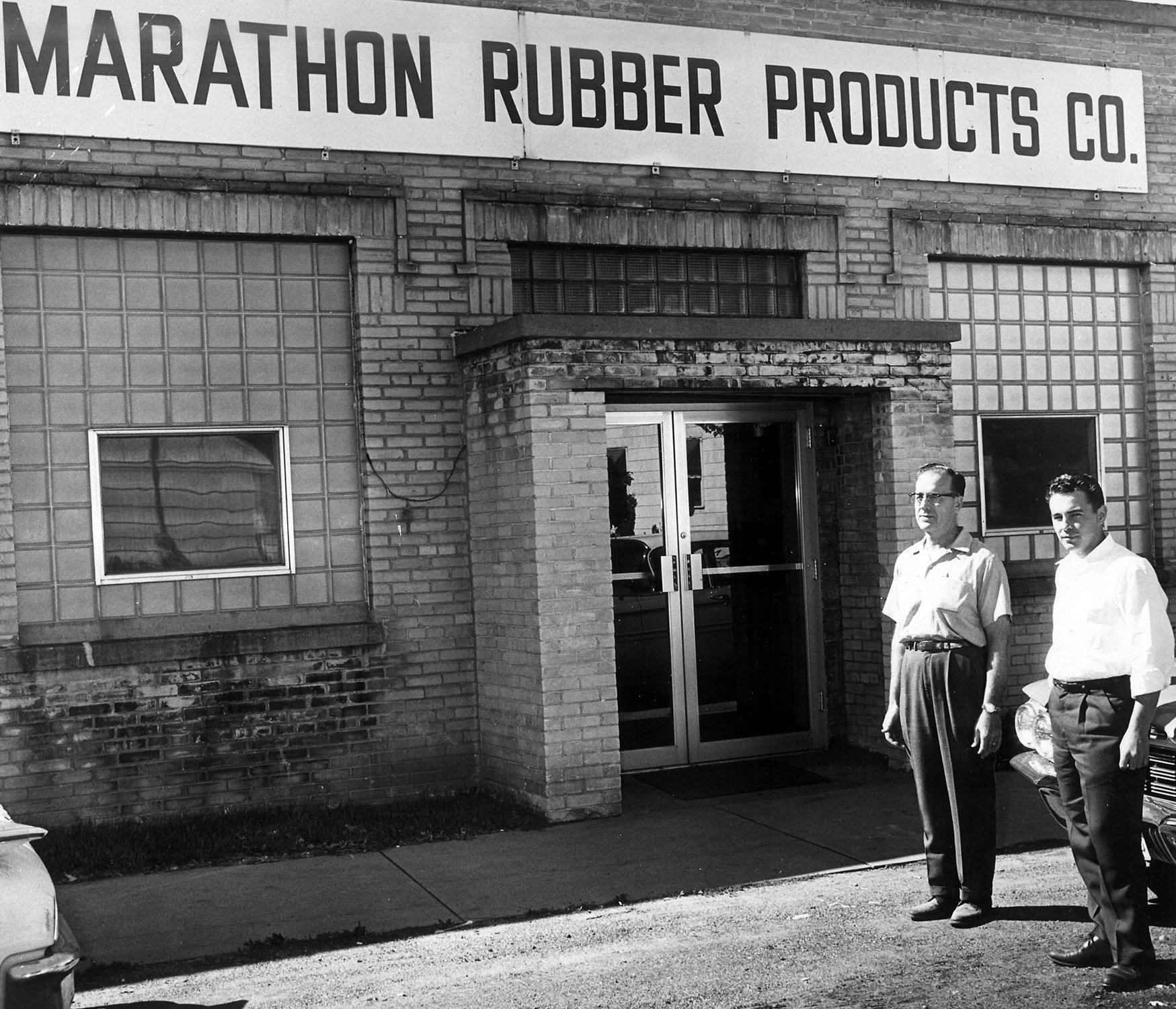
In 1948, Bernice Cohan took over the company, after the death of her brother Joseph Usow. And the Cohan family, first Bernice and then her son Herbert Cohan, would continue to oversee a changing company.
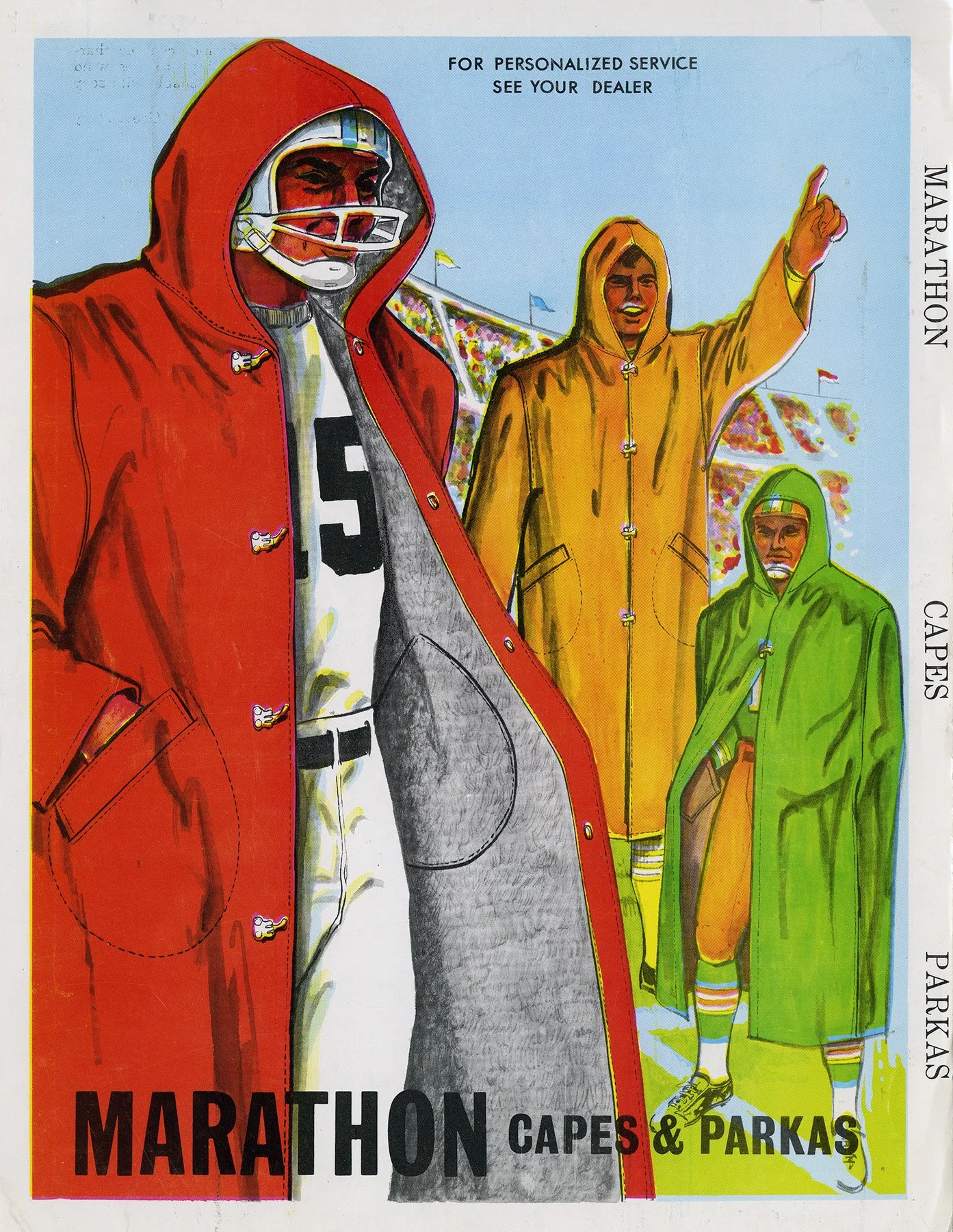
The 1960s saw a changes for Marathon Rubber. The development of other waterproof materials led to many government contracts to favor new kinds of rain coats. This led Marathon Rubber to shift towards commercial markets, including developing new lines of rubber boots, coats, and waders for outdoor recreation, alongside their classic rubber slickers.
This included making rubber clothing aimed at outdoor recreation, such as fishing and hunting. But Marathon Rubber also made rubber capes for sports teams, such as for the Green Bay Packers in the 1960s.
By the end of the twentieth century, competition from foreign manufacturing, the willingness of American consumers to buy those cheaper imports, and a strong American dollar that made it unlikely to export slickers to foreign markets. But Marathon Rubber continued to operate in this difficult market, until it finally closed in 1999 following the death of Herbert Cohan.
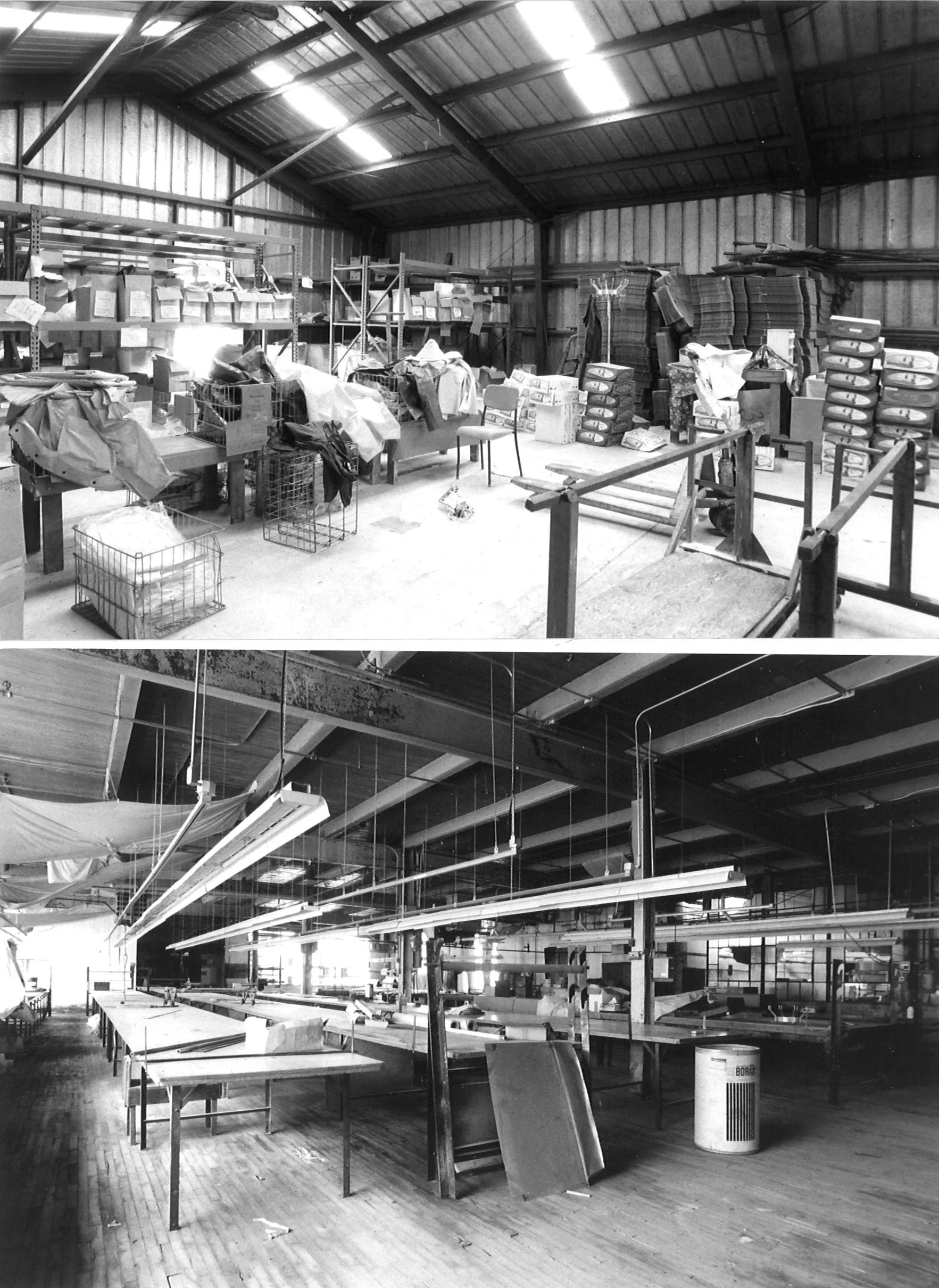
Following the closing of the factory, the Marathon County Historical Society was invited to come see if there was anything wanted to take for our historical collections. This became a major part of the Our Stories exhibit in 2010, showing some of the machines and materials used right up to the closing of the factory.